Is a Home Battery Safe to Run Indoors? What to Know First
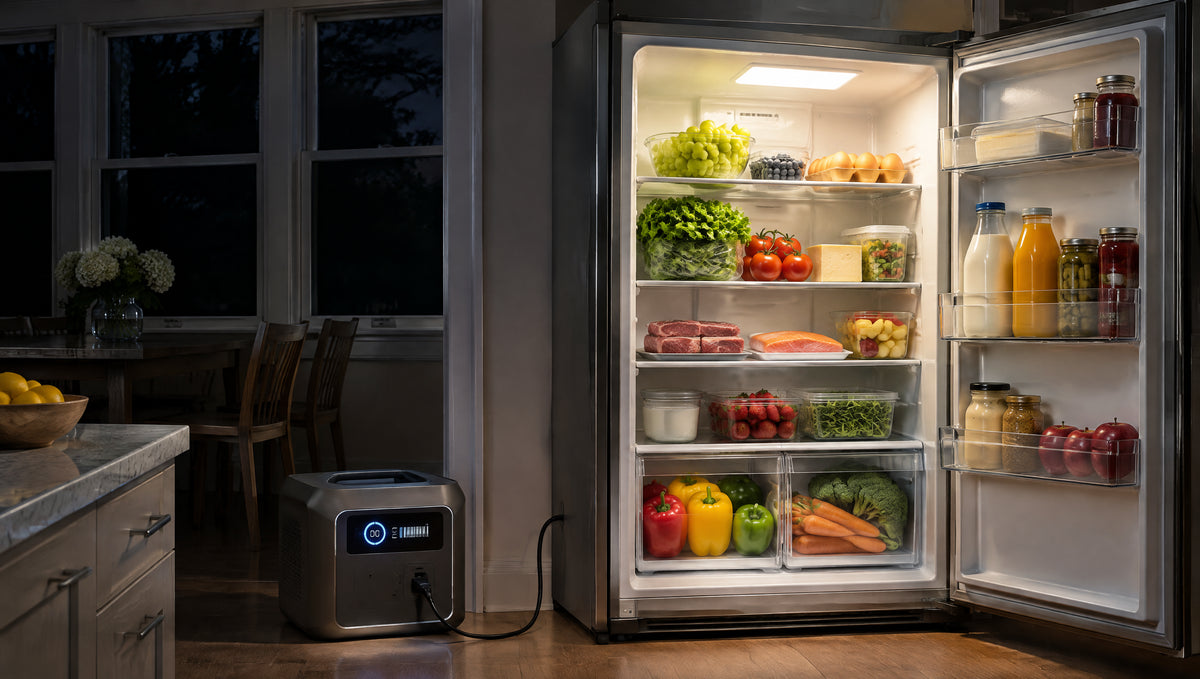
Yes. A home battery is made to run indoors. It makes no exhaust, no carbon monoxide and very little noise, so it can sit in the kitchen, the bedroom or the garage. That's the biggest safety difference from a gas generator. Here's why, and the simple steps that keep it safe.
Why a Home Battery Is Safe Indoors and a Generator Isn't
Gas generators burn fuel and make carbon monoxide, which you can't see or smell. The Consumer Product Safety Commission says to never use portable generators inside homes or garages, even with doors and windows open. A battery doesn't burn anything, so there's nothing to breathe in.
Look for These Safety Signs
- LiFePO4 batteries: most systems here use lithium iron phosphate, a chemistry known for staying stable and lasting thousands of cycles.
- A built-in battery management system that shuts it down if it gets too hot, too cold or overloaded.
- Safety listings: whole-home systems often carry UL 9540 or UL 9540A testing. UL Solutions explains what those standards cover. You'll find the listings on each product page.
Where to Put It
- On a hard, flat floor or mounted to the wall, per the maker's instructions.
- Away from water, heaters and direct sun.
- With a little space around the vents so it stays cool.
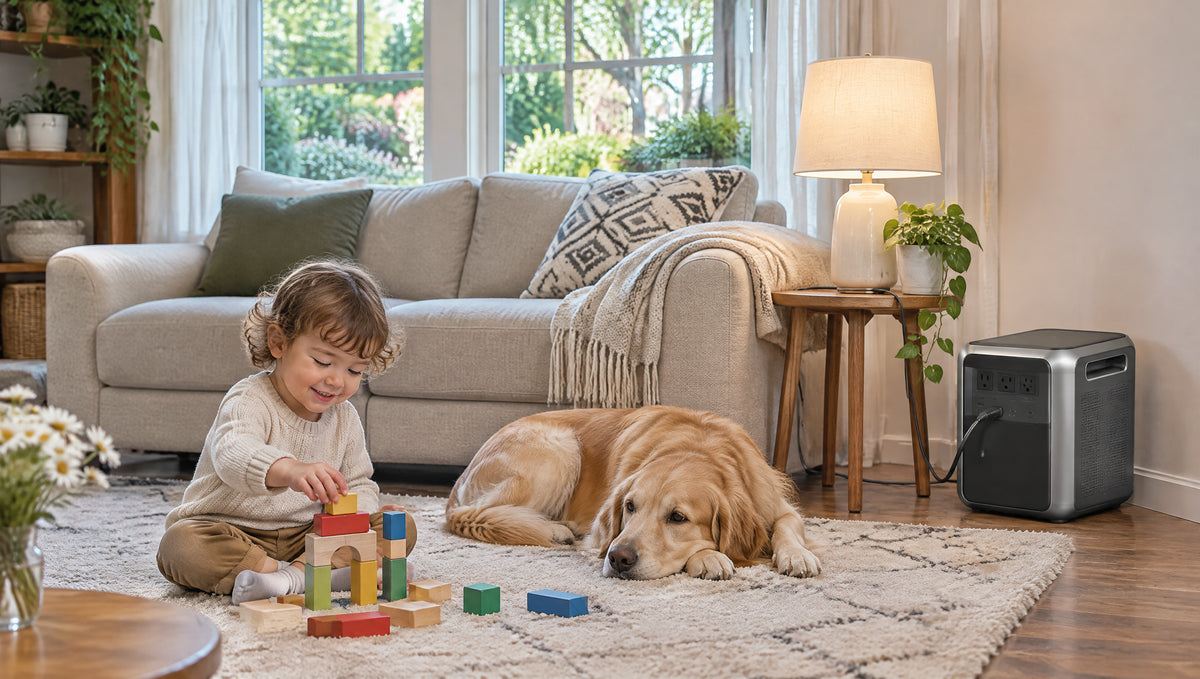
- Out of reach of little hands, with cords tucked away from pets.
What About Kids and Pets?
There's no flame, fuel or exhaust to worry about, just the same care you'd give any appliance: keep cords out of the way, keep the vents clear and don't let anyone stack things on top.
Installed Systems
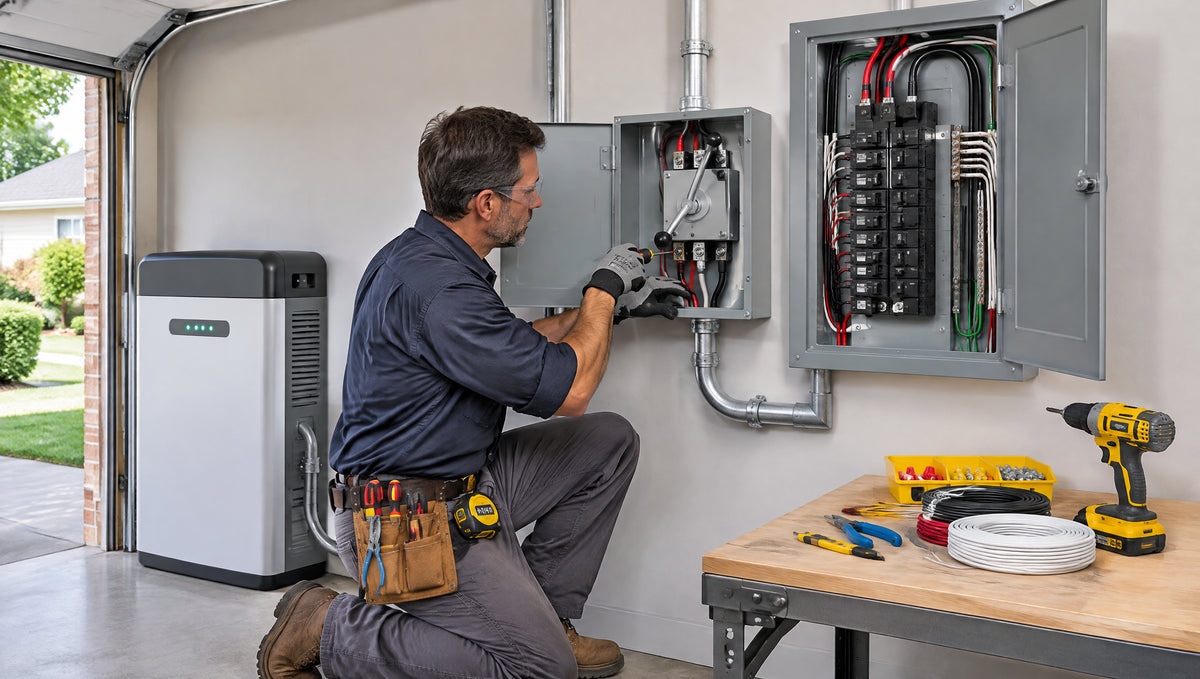
Wall-mounted batteries that connect to your panel are installed by a licensed electrician, who follows local code for placement and clearances. See the Electrician-Ready Packet.
Learn more: Wall-mounted home batteries · Portable power stations
Run Your Home Battery With Peace of Mind
A home battery gives your family clean, quiet power right where you need it, with no fumes and no fuel. Questions about where yours should go? Call or text (442) 228-6045.
Learn more: Home battery backup vs gas generator · The Ultimate Home Battery Backup Buying Guide